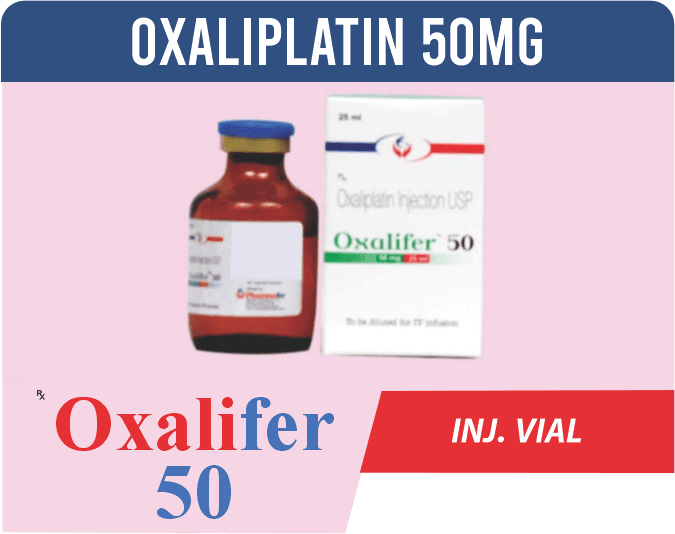
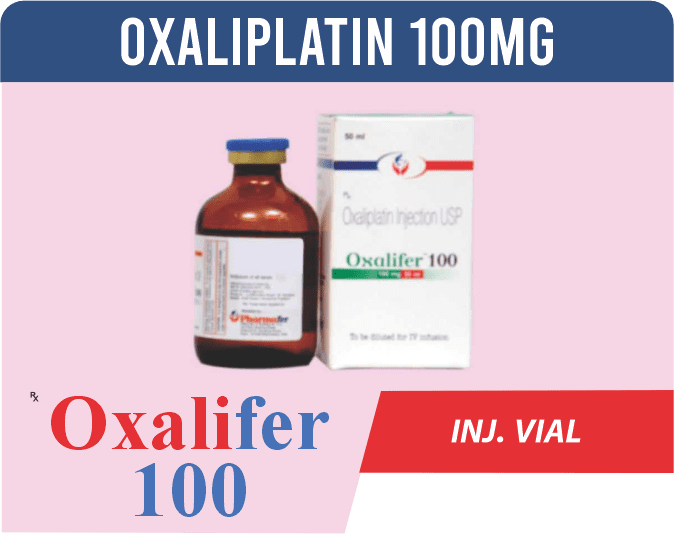
OXALIFER – Oxaliplatin Injection 50 mg
Product Overview
OXALIFER (Oxaliplatin Injection 50 mg) is a platinum-based antineoplastic (anticancer) medicine indicated for the treatment of advanced and metastatic colorectal cancer. It is commonly administered as part of combination chemotherapy regimens under the supervision of a qualified oncologist.
Oxaliplatin works by damaging the DNA of rapidly dividing cancer cells, thereby preventing their growth and multiplication. OXALIFER is intended for intravenous administration in hospital and oncology settings by trained healthcare professionals.
| Attribute | Details |
|---|---|
| Brand Name | OXALIFER |
| Generic Name | Oxaliplatin Injection |
| Strength | 50 mg |
| Dosage Form | Injection |
| Packaging | Single-Dose Vial |
| Therapeutic Category | Anticancer / Platinum-Based Chemotherapy Agent |
| Route of Administration | Intravenous (IV) Infusion |
| Prescription Status | Prescription Medicine |
| Manufacturer | Pharmafer Pvt. Ltd. |
| Storage | Store below 30°C. Protect from light. Do not freeze. |
Uses of OXALIFER
OXALIFER is indicated for:
- Treatment of advanced colorectal (colon and rectal) cancer
- Treatment of metastatic colorectal cancer
- Combination chemotherapy with fluoropyrimidine-based regimens as prescribed by an oncologist
- Oncology treatment protocols in hospital settings
Benefits
Platinum-Based Chemotherapy
Contains Oxaliplatin, a well-established platinum compound used in the treatment of colorectal cancer.
Effective Combination Therapy
Frequently used in combination chemotherapy protocols to improve treatment outcomes in eligible patients.
Clinically Established Treatment
Widely used by oncology specialists worldwide as part of evidence-based colorectal cancer treatment.
Hospital-Based Administration
Administered by trained healthcare professionals under controlled clinical conditions.
High Manufacturing Standards
Manufactured following stringent pharmaceutical quality standards to ensure safety, quality, and reliability.
Possible Side Effects
Like all chemotherapy medicines, OXALIFER may cause side effects, although not every patient experiences them.
Common side effects include:
- Nausea and vomiting
- Diarrhea
- Fatigue
- Loss of appetite
- Mouth sores (mucositis)
- Temporary decrease in blood cell counts
- Peripheral neuropathy (numbness or tingling in the hands and feet)
- Increased susceptibility to infections
Patients should immediately contact their healthcare provider if they experience fever, severe diarrhea, difficulty breathing, or persistent numbness and tingling.
Mechanism of Action
Oxaliplatin is a platinum-containing anticancer medicine that forms cross-links within cancer cell DNA. These cross-links interfere with DNA replication and transcription, leading to inhibition of cancer cell growth and ultimately causing cancer cell death. This mechanism helps slow or stop the progression of colorectal cancer.
Dosage & Administration
OXALIFER should be administered only under the supervision of a qualified oncologist or trained healthcare professional. It is given as an intravenous infusion, and the dosage is determined according to the patient’s body surface area, clinical condition, and chemotherapy protocol. Treatment schedules may vary depending on whether OXALIFER is used alone or in combination with other anticancer medicines. Regular clinical monitoring and laboratory investigations are recommended throughout therapy.
Frequently Asked Questions
OXALIFER is used for the treatment of colorectal cancer, particularly advanced or metastatic disease, as part of combination chemotherapy.
It damages the DNA of cancer cells, preventing them from growing and dividing.
OXALIFER is administered as an intravenous infusion by qualified healthcare professionals in a hospital or oncology clinic.
Depending on the treatment plan, OXALIFER may be used alone or more commonly in combination with other anticancer medicines.
Yes. Patients usually require regular blood tests and clinical monitoring throughout treatment to assess response and manage any side effects.